Jiu Jitsu
Why You Keep Getting Stuck in Side Control and What to Do About It
This article breaks down the most common mistakes people make when they are trapped under side control. Understanding what not to do is the first step toward actually getting out.
Bridging Straight Up Instead of Over Your Shoulder

The problem is that a straight bridge gives your opponent nothing to worry about. They can feel you coming and adjust their weight. A bridge over your shoulder is different. It changes the angle, disrupts their base, and creates a real opportunity to move.
If your bridge is not creating space, you are probably going straight instead of going sideways.
Keeping Your Feet Together When You Bridge
Feet close together means no base. Your opponent can steer you right back down with very little effort. Feet wider apart gives you something to push from and makes it much harder for them to flatten you back out.
This is a small detail that makes a big difference. Every time.
Not Using Frames to Create Space
When you are under side control with no frames, your opponent can flatten their weight directly on top of you. When you establish a solid frame, you create a small amount of space. That space is what you work from.
The goal of a frame is not to push your opponent away. The goal is to buy yourself enough room to start moving. Without that, you have nowhere to go.
Leaving Your Elbows Away From Your Body
When your elbows are out, your arms become a target. Your opponent can isolate one of them and work toward an armbar or kimura without a lot of effort. When your elbows stay connected to your body, that option becomes much harder for them to set up.
Keep your elbows in. Think of it as protecting your own space while you look for your next move.
Wrapping Your Arms Around Your Opponent When Under Mount
Holding onto your opponent in mount actually helps them stay there. It limits your own movement, and it puts your arms in a position where they cannot do much useful work. It also makes it easier for your opponent to transition to other positions or start working for submissions.
The goal from the bottom of mount is to create the right conditions to escape, not to hold someone in place on top of you.
Rolling Away and Giving Up Your Back
Escapes from bottom positions are usually initiated by moving your lower body first. Your hips do the work. Your upper body follows. When you roll away without controlling that rotation, you skip past every useful escape option and put yourself in a worse spot.
Patience matters here. Moving your hips before you commit to any direction gives you options. Rolling away removes all of them.
Pushing on Your Opponent’s Chest
What is actually happening is that you are extending your arms into space, your elbows are away from your body, and you have given up any structural advantage you had. Your opponent now has access to both of your arms and all they have to do is apply pressure and wait.
Pushing on someone’s chest is not a frame. It is just burning energy while giving up position.
So What Should You Actually Do?
The fix is not complicated. It starts with understanding a few core principles: bridge over your shoulder, widen your base, use structured frames, keep your elbows in, and let your hips lead.
The video below teaches one strategy for escaping several types of side control using those same principles. Watch it, then try it on the mat.
Want to Learn This in Person?
At 2nd Gear Jiu Jitsu and Muay Thai in Laurel, Maryland, we teach these fundamentals in every class. If you are new or just getting started, that is exactly where we begin. You do not need experience. You just need to show up once and see how it feels.
YOUR FIRST WEEK IS FREE
If this got you thinking, come in and find out.
Your first week is free. No gear. No experience. No commitment until you decide.
No commitment required. No gear needed.
Keep Reading
More from 2nd Gear

Key Jiu Jitsu Positions and Why They Matter
Jiu Jitsu makes a lot more sense once you understand position. This is the foundation everything else builds on.

Why Most Adults Never Start Jiu Jitsu (And Why You Should)
The reasons most adults give for not starting Jiu Jitsu sound reasonable. They’re not. Here’s what’s actually going on.
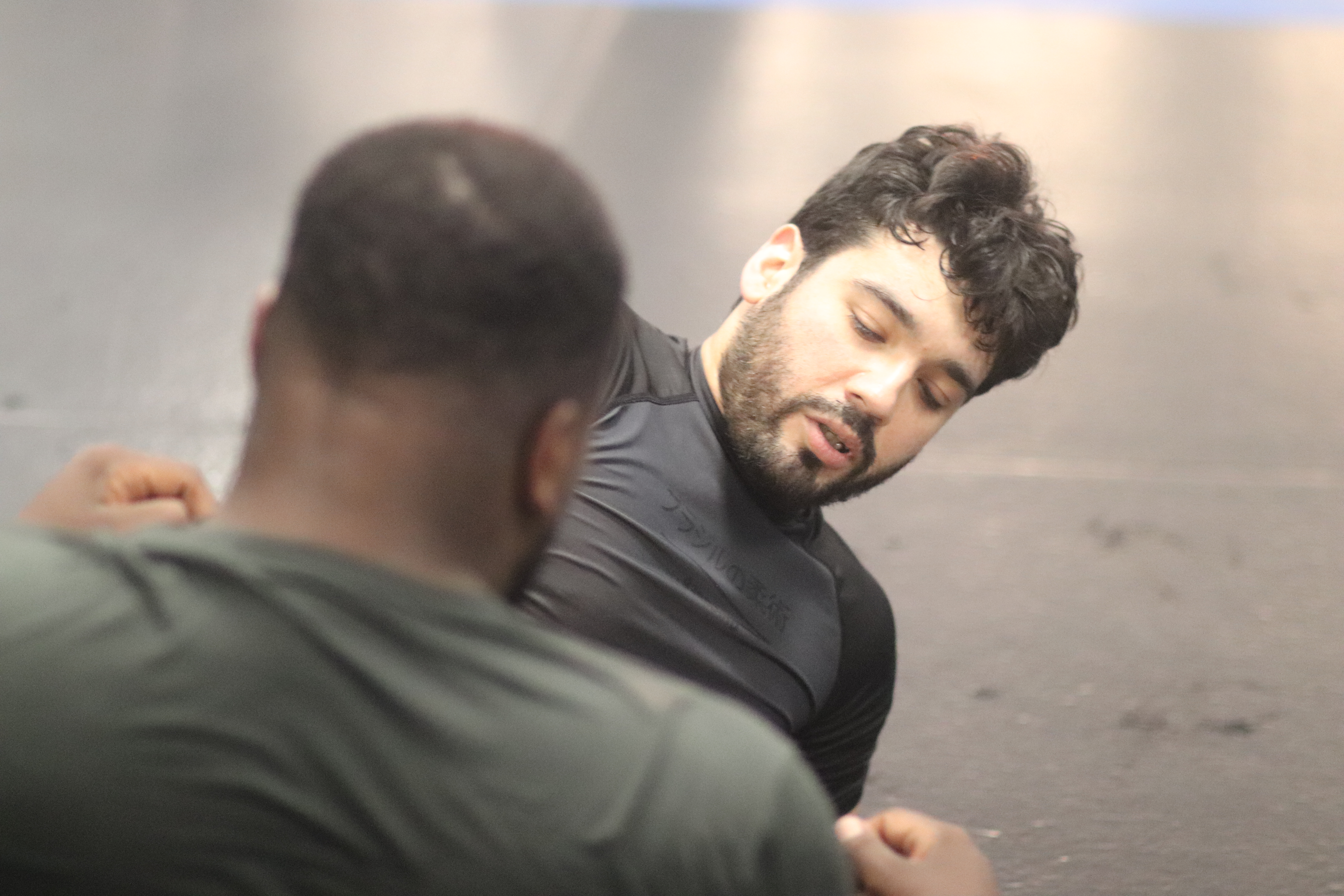
What to Expect in Your First Adult Jiu Jitsu Class in Laurel
Starting something new is uncomfortable. Starting something new where people are trying to pin you to the ground is a different level. Here’s exactly what to expect.