Why the Wrist Lock Works for Older and Smaller Grapplers
Why the Wrist Lock Works Especially Well for Older and Smaller Grapplers
The wrist lock has a reputation for being sneaky. That is accurate, but it undersells what actually makes it useful.
The real reason the wrist lock is worth learning, especially if you are not the biggest or youngest person on the mat, is that it does not require you to be stronger than your opponent. It requires you to understand one specific condition. If the elbow cannot move, the wrist becomes vulnerable. That is the whole principle. Everything else is just the application of it.
The setup in the video below uses an armdrag to create that condition from guard. Joc, a student at 2nd Gear who is known for applying this attack with a level of consistency that makes training partners very uncomfortable, demonstrates how it works.
Why This Combination Works the Way It Does
When you armdrag an opponent, you pull their arm across your body and shift your hips toward the same side. The goal of the armdrag is typically to get to their back. But in doing that, you also drive their elbow toward the mat. Once the elbow is pinned to the ground and locked in place with your body, you have already created the core condition the wrist lock needs.
Your opponent is usually focused on defending the back take at this moment. They are not thinking about their wrist. That misdirection is not accidental. It is part of why this combination works so consistently.
How to Execute It Step by Step
Start by establishing control on the arm you want to attack. Use a cross grip on the sleeve, which means your left hand grips their right sleeve or your right hand grips their left. Your other hand gets behind their tricep on the same arm. Those two grips together give you the leverage to move the arm.
From there, shift your hips toward the same side as the arm you are attacking and pull it across your body. The goal is to drive their elbow all the way to the mat. Use your body weight and position to lock it there. Your hips and your weight do the work. Your grip alone is not enough.
Once the elbow is pinned, switch the tricep grip to an overhook. Your hand cups their bicep from the outside. This overhook is what keeps the elbow in place and takes away their ability to pull out.
Now slide your sleeve grip up from the wrist toward the hand. With their elbow locked and their arm extended, you apply pressure by forcing their hand to flex toward the wrist. The joint has nowhere to go and the submission is there.
The One Concept That Makes This Whole Category of Techniques Click
Wrist locks are legal in most jiu jitsu rulesets at blue belt and above, which means newer students are often on the receiving end of them before they have thought much about using them.
The reason they work across so many positions is that the principle never changes. Elbow mobility blocked plus wrist pressure equals submission. The armdrag from guard is one way to create that condition. But once you understand the underlying rule, you start to see it available in other places too, from side control, from mount, from standing grip fighting.
This is how jiu jitsu tends to work at every level. You learn a specific technique, and if you understand why it works, the technique teaches you something broader that applies in situations you have not even encountered yet. The wrist lock is a clean example of that process.
One practical note worth keeping in mind. Once wrist locks enter the training relationship between you and a partner, the dynamic shifts. Both people become more aware of wrist and elbow positioning throughout the roll. That awareness makes you both better grapplers. It also means intensity tends to go up. Tap early on these. The joint does not give you much warning.
Want to Learn Techniques Like This in a Structured Environment?
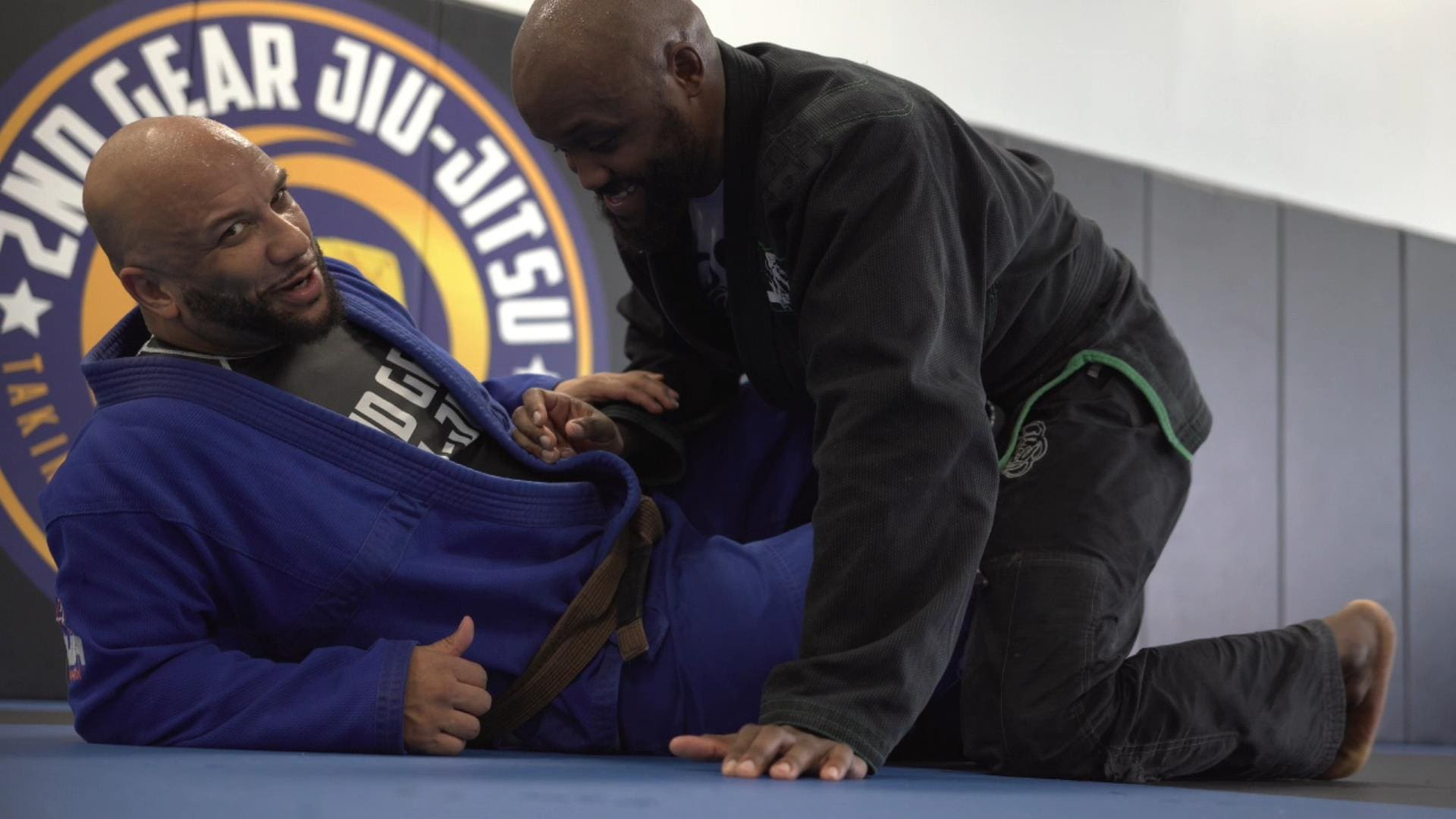
At 2nd Gear Jiu Jitsu and Muay Thai in Laurel, Maryland, we teach techniques in context. Not just the steps, but the reasoning behind them, so you understand when and why to use them in a live roll.
If you are curious about starting, we offer a free trial class for new students. No experience required. Come in and see how it feels.