What to Expect in Your First Adult Jiu Jitsu Class in Laurel

What to Expect in Your First Jiu Jitsu Class in Laurel, MD

Starting something new can feel uncomfortable.

That is especially true when the new thing is Jiu Jitsu.

A lot of people think they need to be in shape first. Others worry they will feel awkward, get thrown into hard sparring, or be the only beginner in the room. Those concerns are normal. They are also one of the biggest reasons people wait too long to start.

If you have been thinking about trying Jiu Jitsu in Laurel, MD, this guide will help you know what to expect before your first class.

At 2nd Gear Jiu Jitsu, beginner classes are built to be welcoming, structured, and easy to follow. You do not need experience. You do not need special gear. You just need to show up ready to learn.

Why Many People Put Off Their First Class
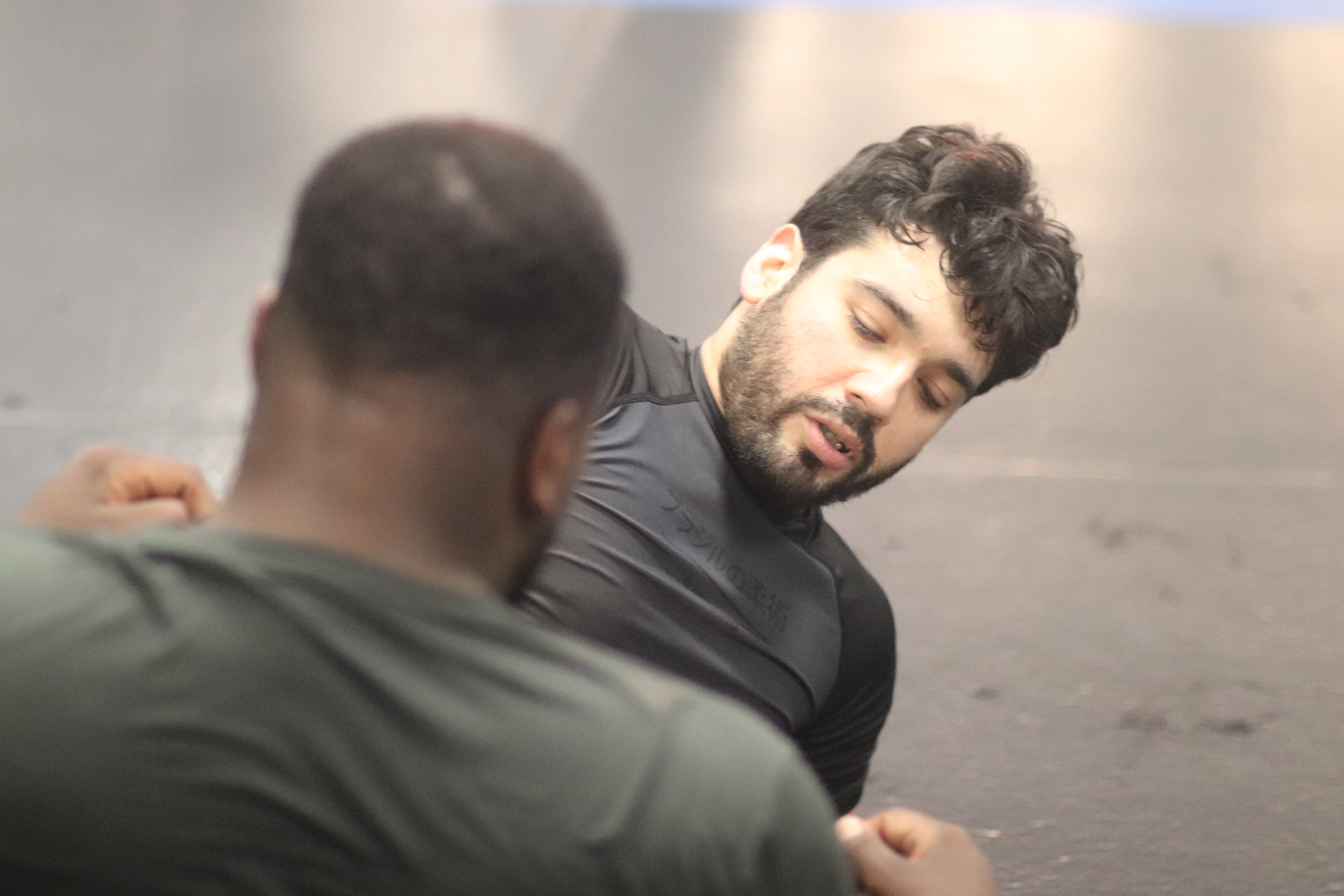
No-Gi Jiu Jitsu Fun

Most people do not avoid Jiu Jitsu because they are lazy.

They avoid it because they do not know what walking in will feel like.

They wonder things like:

  • What if I am too out of shape?
  • What if everyone else already knows what they are doing?
  • What if I slow the class down?
  • What if it is too intense for me?

These are real concerns. People looking for beginner Jiu Jitsu classes in Laurel often want something helpful and challenging, but not chaotic.

That is why your first class should feel clear, calm, and manageable.

What to Wear and Bring to Your First Jiu Jitsu Class

You do not need to buy a bunch of gear before your first day.

Most beginners can start with:

  • a t-shirt
  • gym shorts or leggings
  • a water bottle

If you do not have a gi yet, that is fine. You can figure that out later after you try a class and see if it is a good fit.

It also helps to arrive 10 to 15 minutes early. That gives you time to meet the coach, ask questions, and settle in without feeling rushed.

For many beginners, this small step makes a big difference. It helps the first class feel easier right away.

What a Beginner Jiu Jitsu Class Is Actually Like

A lot of people picture something wild and intense.

That is usually not what a beginner class looks like.

A good Jiu Jitsu class has structure. It is designed to help you learn one step at a time.

Most classes include:

  • a light warm-up
  • simple instruction on a few techniques
  • partner drilling
  • time to ask questions and review what you learned

You are not expected to know anything on day one.

You are not expected to perform like an advanced student.

You are there to learn how the movements work, how the class flows, and how to get comfortable on the mat.

If you are looking for Jiu Jitsu classes in Laurel, MD that feel approachable for real beginners, this matters a lot. The right class should help you build confidence, not make you feel behind.

A Common Myth: You Need to Be in Shape Before You Start
This is one of the biggest myths that holds people back.

You do not need to get in shape before starting Jiu Jitsu.

You get in better shape by doing Jiu Jitsu.

Beginner classes are where you build timing, movement, awareness, and conditioning over time. You do not need to show up already prepared. You just need a place that meets you where you are.

Many people are not looking to become fighters. They want to move better, learn something useful, and feel stronger and more confident.

Jiu Jitsu can help with that, even if you are starting later than you planned.

Will You Have to Spar Right Away?
Usually, no.

This is another fear that keeps people from booking a trial.

Many beginners hear about rolling or sparring and assume they will be thrown into live training right away. In a good beginner-friendly environment, that is not how it works.

Your first class usually focuses on learning and drilling. You work on simple movements and positions. You learn how class works. You start getting comfortable with the pace and the contact.

Live sparring should come later, when you are ready for it.

That makes the first step much easier for people who want to train without feeling overwhelmed.

What Most Beginners Notice After Their First Class
Most people are surprised by two things.

First, the class is usually more welcoming than they expected.

Second, the nerves fade once training starts.

That is because your attention shifts. You stop thinking about how you look and start focusing on the technique, the movement, and the person helping you learn.

At a good academy, the room should feel respectful. People should train with control. Coaches should make things make sense. The goal is steady progress.

What You Can Gain Over Time

Your first class is not about proving anything.

It is about taking one step.

Over time, Jiu Jitsu can help you:

  • improve fitness
  • build confidence
  • learn practical skills
  • handle pressure better
  • stay mentally engaged
  • be part of a strong community

For many people, the biggest benefit is not just physical.

It is the feeling of doing something hard, useful, and rewarding on a regular basis.

That is why beginner Jiu Jitsu classes can be such a strong fit for people who want more than just another workout.

Ready to Try Your First Class?

Every experienced student started as a beginner.

Your first class does not need to be a big decision. It is just a chance to see how it feels.

If you have been curious about Jiu Jitsu in Laurel, MD, the next step is simple.

Schedule your free trial class and see whether it feels like the right fit for you.

Improve Your Guard Passing With This Drilling Sequence

Improve Your Guard Passing With This Drilling Sequence

Guard passing is not just about getting around the legs.

It is about clearing the knees, controlling the hips, and staying in a strong position as your partner reacts.

That is why a good drill can help so much.

It does more than sharpen movement. It helps you understand what you are trying to accomplish at each step.

This drilling sequence is built around the knee cut pass. It helps you improve one of the most useful guard passes in Jiu Jitsu while also showing you how to move to the next option when your partner takes the first one away.

Check it out. Then use the breakdown below to understand why it matters, what each part is teaching and why the reactions connect.

Timestamps

  • 00:14 – Demonstration of the kneecut pass, which is the first guard pass in the drilling sequence.
  • 00:56 – If the opponent blocks the kneecut by trapping your ankle, use this cross knee cut pass.
  • 02:04 – The third option is to use this method to pass directly into mount control.
  • 02:53 – Or you can just smash their hips with this pass.
  • 03:54 – Then if you like a little more flash, this X pass is yet another option in that situation.

Why Guard Passing Matters

Passing the guard changes the balance of control.

Once you get past the legs, it becomes much easier to use pressure, angle, and weight in your favor. It also opens the door to stronger control and cleaner attacks.

That is what makes guard passing such an important part of Jiu Jitsu.

You are not just trying to move around someone.

You are trying to:

  • get past the knees
  • control the hips
  • break alignment
  • stay balanced while they recover

When that idea becomes clear, passing becomes much more effective.

Why the Knee Cut Pass Is So Useful

The knee cut pass is one of the most important passes to build around.

It teaches strong habits.

It teaches you how to move forward with purpose, control space between the legs, use angle well, and apply pressure without losing balance.

It also connects naturally to other passes.

That is what makes this sequence valuable.

You are not just drilling one move. You are learning how one passing attempt leads to the next based on your partner’s reaction.

What This Drill Is Really Teaching

This drill teaches an important lesson.

Do not stop when the first pass gets blocked.

That is where a lot of people lose momentum. They try one pass, meet resistance, and pause.

A better passing game works differently.

When one route closes, another one opens.

This sequence helps you feel that in real time. You start with the knee cut pass, then move to the next option when your partner defends. Instead of treating each pass like a separate move, you begin to connect them into one passing game.

That is a big reason this drill works so well.

The Sequence

This sequence flows through several reactions off the knee cut pass:

  • knee cut pass
  • cross knee cut when the ankle gets trapped
  • direct pass into mount
  • hip-smashing pass
  • X pass option

The real value is not just knowing the list.

The real value is understanding why each option becomes available. Every defensive reaction changes the next opening. This sequence gives you a clear way to train that idea.

What to Pay Attention To

As you drill, focus on what is happening, not just where to step.

Ask yourself:

  • What is stopping the pass?
  • Where is the frame, hook, or trap?
  • Where should my weight go now?
  • What opening appeared because of that defense?

Those questions help turn the drill into understanding.

That is what makes the sequence more useful in live training.

Why Chaining Passes Makes You Better

Strong guard passers do not depend on one clean move.

They stay connected.

If the first pass gets blocked, they are already moving to the next answer. That keeps pressure on the bottom player and makes it harder for them to reset.

This is one of the biggest differences between isolated technique and functional passing.

The more you learn to chain reactions together, the less your passing feels forced. It starts to feel smoother, calmer, and more reliable.

👉 See how our Jiu Jitsu classes in Laurel work

How to Drill It Well

Do not rush through the sequence just to finish reps.

Take the time to feel each moment clearly.

Focus on:

  • clean movement
  • good balance
  • steady pressure
  • the reaction that creates the next pass
  • smooth transitions between options

Speed matters less than understanding.

When the drill starts to make sense, your timing usually improves on its own.

What This Builds Over Time

Done consistently, this sequence can help build:

  • better passing mechanics
  • better balance
  • better timing
  • stronger reactions
  • smoother transitions
  • more confidence when passing

It also helps organize your passing game.

Instead of seeing guard passing as a pile of separate techniques, you start to see how positions connect. That makes your training more useful and your decisions more clear.

Ready to Improve Your Guard Passing?

The knee cut pass is powerful on its own.

It becomes even better when you understand the reactions around it and know how to keep moving when your partner defends.

That is what this drilling sequence helps you build.

If you want your guard passing to improve, focus on more than the first move. Learn what each reaction means. Learn what opening comes next. Learn how the whole exchange fits together.

That is when your passing starts to feel sharper and more complete.

And if you’re in the Laurel, MD area and want to train Jiu Jitsu in a way that is clear, structured, and practical, schedule your free trial class and come train with us.

Jiu Jitsu Lateral Roll: A Fundamental Movement

The Lateral Roll: Crucial Movements for Jiu Jitsu

In Jiu Jitsu, those who learn how to do lateral rolls have access to a far greater array of technique. It boosts your defense by helping you escape tricky situations, like when an opponent is applying pressure from the top. But it also opens doors for offense. You can use it to set up submissions, sweeps, or even surprise attacks.

Some struggle to learn it though, so we’re going to explore its ins and outs. You’ll discover the secrets of proper body mechanics, weight distribution, and timing needed to nail this move. We’ve broken down the process into easy steps, so whether you’re just starting or have some experience, you’ll find it accessible.

And as you start adding the lateral roll to your bag of tricks, it’ll add a whole new dimension to your game.

Additional Details

  • The lateral roll is predominately a precursor skill for inversions. By mastering it, you will have easier access to movement while playing guard. Also it there are some guard retention skills that require it.
  • On the offensive side, it can also used for some ridiculously sneaky attacks from the guard. One moment, you’re in one place, and the next you’re on a triangle choke or an omoplata. Having that ability adds another element to the threat you can pose to opponents.

Common Challenges

  • That first test is important because the movement requires hamstring, low back and neck mobility. If you fail that test, you will have to work on your flexibility in those areas.
  • If you pass it though, one of the most common issue is that people let their low back hit the mat before completing the movement. This usually happens at the midpoint of the lateral roll. And one of the ways to correct that habit is to keep your feet connected to the ground over your head. Of course, that requires a higher level of flexibility but if you can do it, you’ll gain this movement fast.

The Closed Guard Offense Compendium

The Closed Guard Offense Compendium

(This will be updated regularly with additional techniques. Updated: 01/04/2022)

Over the years, many closed guard lessons have been taught at the academy, and a few have been put on tape..

In this post, we’re going to go through those videos and add another layer of detail to each and every one of them. Hopefully this will help you improve your understanding of the position and have more success with it as well.

Let’s go.

The Pendulum Sweep

This technique is what we call a sweep.

In essence, it’s an improvement of position. We go from being on the bottom where weight can be put on us, punches can rain down, and all kinds of other bad stuff can happen to reversing the position and landing on top.

That’s not all either.

When done right, it also takes us directly to mount, which is one of the most dominant positions of Jiu Jitsu.

A few things are necessary in order for us to have success with this, though.

The first thing is that we have to control an arm, and that control must prevent opponents from touching the mat, which will minimize the force we generate for the sweep. That’s why the best case scenario is when we succeed in pulling the arm completely across the body.

A problem, though, can arise if the opponent is able to free the arm. Thus it must be locked in the position, and a great way to do that is by hugging their body tight to us, so that there is no space to pull the arm free.

Next, we have to increase our potential leverage, and shooting our free arm under their leg and jacking it up accomplishes that task well.

Then, we have to damage their structure of their position in some way. Otherwise, they’ll shift that weight back towards their heels and unlock their inner immovable rock. So first, we shift ourselves back under their center of gravity and then we rock them forward.

That’s the moment when it comes together.

It doesn’t matter if they outweighed us by twenty pounds. If we put someone in that situation, with their arm trapped, their weight rocking forward, and our whole body available for the creation of leverage, the sweep is easy.

All that matters is how effective are we at creating the necessary conditions for the technique to work smoothly.

The Scissor Sweep

In the gi, the scissor sweep is a great attack that can also be used to set up cross chokes.

More importantly, though, the structure of the traditional grip configuration allows you to both break posture and manage distance.

That stops opponents from crushing you with their weight while at the same time makes it difficult for them to retreat from the danger. How you establish that grip structure matters though. Here are some key details:

  • Align your index finger slightly above the opponent’s collar bone when you set the cross collar grip. (That allows you to easily switch from strong pulling grip to a stiff arm against the jaw if necessary.)
  • Establish a same side sleeve grip with your other hand. It can be four fingers over the top (cat’s paw) or an overgrip over the cuff (pistol).
  • Escape your hips and bring your top leg across your opponent’s midsection. (This is important step for the scissor sweep, and it also allows you get on your side which will give you more leverage.)
  • Pull the elbow of your sleeve grip arm under your body. (This creates a strong structure that reinforces your grip and makes it difficult for opponents to break.)

If you do all of those things well, the scissor sweep will naturally succeed when you scissor your legs.

The Hip Bump Sweep

The hip bump sweep is another staple of the closed guard.

And if you understand the specific conditions for its success, it still works at high levels. The key, though, lies in learning how to sit up with speed and precision. You have to learn how to angles to attack at a moment’s notice because there is a moment of opportunity whenever an opponent leans back.

Once you understand that timing element, your success will then depend on your ability to achieve the following objectives:

  • Can you sit upright with the palm of your hand (not your elbow) on the mat behind you as your base?
  • Can you get your arm across their body and connect your armpit to the front of their shoulder?
  • Can you pull their arm into your chest and prevent them from touching the mat with it?
  • Can you throw your hip into their body to knock them back then spin them like a top to put them on their back?

Those are all important objectives for achieving success with the hip bump sweep, and you can work on the first element without a partner. Just lie on your back, shift your hips to the side, bring your elbow (with the arm you want to base with) above your shoulder and then push off your elbow to build up to the upright position.

The Armbar

The armbar is one of the most effective techniques in Jiu Jitsu.

They’ve even done studies on what submissions succeed the most at the highest levels of competition, and the armbar has consistently at or near the top of that list.

Why?

Because it can be done in almost every position if we understand how it works and what we need to control in order to make it work better.

The armbar from closed guard, though, is often one of the first variation of the submission taught all across the globe, and the following objectives have to be achieved in order to have success with it:

  • The opponent’s elbows must be brought to the line of our hips. (That brings them into our strike zone and makes the elbow vulnerable to attack.)
  • The elbow we plan to attack must be brought across our body to our navel or past that line. (That makes it harder for opponents defend the attack once it progresses to the next stage.)
  • Upper body control must be established. (This is where we bring our legs into the battle.)
  • We must move towards a perpendicular angle. (It gives us the space to bring a leg around to the other side of their head and completely isolate the arm and shoulder.)
  • Pressure must be applied towards the thumb of the arm being attacked. (The thumb always tell us where the elbow is.)

Now what of these objectives apply to more than just the closed guard armbar…

Hm, that’s a good question.

There are two, and they have even been given names.

The first has been called chain theory. It’s the idea that for any armbar, the two central control points are the wrist/thumb and the shoulder. Those are the ends of the chain. If we control them and immobilize all movements, the elbow will also be immobilized. That means that there will be no escape once we start magnifying the pressure on that trapped arm.

The second is the rule of the thumb, which is just the idea that the thumb will always tell you the direction that pressure must be applied. If the thumb is pointing north, our hips have to drive north.

And both rules continue to hold true.